
Leveraging Predictive Analytics SaaS for Foresight

Leveraging Predictive Analytics SaaS for Foresight

Gain foresight with Predictive Analytics SaaS. Learn practical applications, selection tips, and strategic benefits for data-driven decisions.

Businesses today operate in an environment of constant change, making the ability to anticipate future trends and outcomes critically important. Relying solely on historical data or intuition no longer suffices for sustained growth and competitive advantage. Modern organizations need robust tools that can project future scenarios, allowing for proactive strategies rather than reactive responses. This is where the power of Predictive Analytics SaaS becomes indispensable, offering sophisticated analytical capabilities without the burden of extensive infrastructure management.

Overview

  • Predictive Analytics SaaS provides cloud-based tools for forecasting future outcomes.
  • These platforms leverage historical data and statistical algorithms to identify patterns.
  • Key benefits include improved decision-making, operational efficiency, and risk mitigation.
  • SaaS models offer accessibility, scalability, and reduced upfront IT investment for businesses.
  • Effective implementation requires clear objectives, quality data, and ongoing model validation.
  • The technology helps organizations, from startups to large enterprises, achieve greater foresight.
  • It supports strategic planning across various sectors, including retail, finance, and healthcare.

Understanding the Core of Predictive Analytics SaaS

Predictive Analytics SaaS platforms are cloud-based solutions designed to forecast future events or behaviors. They utilize various statistical techniques, machine learning algorithms, and historical data to identify probabilities and trends. Instead of just explaining past events, these tools focus on ‘what will happen’ or ‘what might happen.’ For instance, a retail company might use such a system to predict seasonal demand for specific products, optimizing inventory and avoiding stockouts. The “SaaS” component means these powerful analytics are delivered as a service over the internet, accessible via a web browser. This model eliminates the need for companies to purchase, install, and maintain complex software and hardware, significantly lowering the barrier to entry for advanced analytics. Organizations can subscribe to a service and immediately begin processing their data to generate actionable insights. This agility is a game-changer for many businesses aiming to stay ahead.

Strategic Advantages of Data-Driven Foresight

Adopting a data-driven approach to foresight offers significant strategic benefits. When businesses can reliably predict market shifts, customer behavior, or operational challenges, they can make informed decisions that impact their bottom line. For example, a financial institution can predict credit risk more accurately, leading to better lending decisions and reduced losses. A manufacturing firm can forecast equipment failure, scheduling preventative maintenance to avoid costly downtime. This proactive posture minimizes risks and identifies new opportunities. Furthermore, insights derived from predictive analytics can optimize resource allocation, leading to more efficient operations and cost savings. It allows organizations to move beyond educated guesses, grounding their strategies in empirical evidence and statistical probabilities. This leads to more confident decision-making across all levels of an organization, from daily operations to long-term strategic planning.

Implementing Predictive Analytics SaaS for Operational Excellence

Implementing Predictive Analytics SaaS effectively requires more than just subscribing to a service; it demands a clear strategy and operational alignment. First, define the specific business problems you aim to solve. Are you trying to reduce customer churn, optimize supply chains, or forecast sales more accurately? Clear objectives guide data collection and model selection. Next, ensure data quality. Predictive models are only as good as the data they process. Clean, relevant, and comprehensive data is fundamental. Many organizations in the US are now dedicating resources to data governance. Training staff to interpret and act on predictive insights is also crucial. The technology provides the foresight, but human expertise translates that foresight into effective action. Start with pilot projects to demonstrate value, then scale your implementation. This iterative approach builds internal expertise and secures stakeholder buy-in, making the transition smoother and more successful.

Future-Proofing Decisions with Predictive Analytics SaaS

The dynamic nature of markets and consumer behavior means that static business plans quickly become obsolete. Predictive Analytics SaaS provides a mechanism for continuous adaptation, helping businesses future-proof their decisions. By continually feeding new data into models, organizations can refine their predictions and adjust strategies in real-time. This iterative process allows companies to respond swiftly to emerging trends, competitive pressures, or unexpected disruptions. For instance, an e-commerce platform might constantly update its recommendations based on evolving user preferences, maintaining customer engagement. The ability to model various “what-if” scenarios empowers leaders to stress-test potential strategies before committing resources. This ongoing feedback loop from data to decision to outcome ensures that businesses remain agile and resilient. It cultivates an organizational culture where decisions are consistently informed by forward-looking data, securing long-term viability and growth.

Read Full News
Ensuring Data Privacy und DSGVO Compliance Safely

Ensuring Data Privacy und DSGVO Compliance Safely

Safeguarding personal data is crucial. Learn practical strategies for robust Data Privacy und DSGVO compliance from real-world expertise.

In today’s digital landscape, managing personal data is a daily operation for almost every organization. From small businesses to multinational corporations, the imperative to protect customer and employee information is non-negotiable. Our experience implementing robust data privacy frameworks across various sectors has shown that compliance isn’t just about avoiding fines; it builds trust and fosters stronger relationships with individuals. It demands a proactive, integrated approach, moving beyond mere checkboxes to embed privacy into the operational DNA.

Overview

  • Data Privacy und DSGVO requires a foundational understanding of its core principles, not just surface-level adherence.
  • Operationalizing compliance involves mapping data flows, implementing technical safeguards, and establishing clear procedures.
  • Consent management, data subject rights, and data protection impact assessments are critical practical elements.
  • International data transfers, particularly between the EU and the US, present specific legal and operational challenges requiring careful attention.
  • Maintaining compliance is an ongoing process, necessitating regular audits, staff training, and continuous adaptation to new guidelines.
  • Building a privacy-aware culture within an organization is as important as technical and legal measures.
  • Real-world application shows that a robust privacy framework enhances reputation and customer loyalty.

Establishing Foundational Principles for Data Privacy und DSGVO

Effective Data Privacy und DSGVO compliance begins with a deep understanding of its core principles. These aren’t abstract concepts; they are the bedrock for all practical data handling decisions. Our work often starts by demystifying these rules for teams. Key principles include lawfulness, fairness, transparency, purpose limitation, data minimization, accuracy, storage limitation, integrity, confidentiality, and accountability. Each principle guides how personal data should be collected, processed, and stored.

For example, purpose limitation means you only collect data for specific, legitimate reasons, and you don’t use it for anything else without further justification. Data minimization dictates that you collect only the data truly necessary for that stated purpose. Implementing these principles often involves reviewing existing data collection forms, CRM systems, and internal databases. It demands an inventory of all personal data an organization holds, detailing its origin, purpose, and retention periods. This initial mapping forms the basis for a compliant data ecosystem. We’ve seen firsthand how a clear understanding here prevents costly missteps later on.

Operationalizing Compliance: A Real-World View of Data Privacy und DSGVO

Moving from principles to practice requires concrete steps. Operationalizing Data Privacy und DSGVO involves several key areas. First, consent management is crucial. Individuals must give clear, unambiguous consent for their data processing, and they must be able to withdraw it easily. This means revisiting website cookies, newsletter sign-ups, and service agreements. Second, establishing robust processes for data subject rights is vital. People have rights to access, rectify, erase, restrict, and port their data. Our teams build systems to efficiently handle these requests within the stipulated one-month timeframe.

Third, security measures are paramount. Protecting personal data from unauthorized access, loss, or destruction involves both technical and organizational safeguards. This includes encryption, access controls, regular security audits, and staff training on data handling protocols. Data Protection Impact Assessments (DPIAs) are another practical tool. For high-risk processing activities, a DPIA helps identify and mitigate privacy risks before they materialize. These aren’t merely bureaucratic exercises; they are vital risk management tools that protect both the individual and the organization. We implement these as a standard part of any new project involving personal data.

Addressing International Data Transfer Complexities

Transferring personal data outside the European Economic Area (EEA) introduces significant complexity. The DSGVO imposes strict conditions to ensure data continues to receive an equivalent level of protection, regardless of where it is processed. This is particularly relevant for businesses operating with partners or customers in countries like the US. Historically, mechanisms like Privacy Shield facilitated these transfers, but their invalidation highlighted the need for more robust, legally sound alternatives.

Standard Contractual Clauses (SCCs) are now a primary mechanism, but they require careful implementation. Supplemental measures, such as enhanced encryption or anonymization, may be necessary depending on the recipient country’s legal framework and surveillance laws. Binding Corporate Rules (BCRs) offer an internal solution for multinational groups, but their approval process is extensive. Organizations must conduct diligent transfer impact assessments to evaluate risks in destination countries. Ignoring these complexities can lead to severe penalties and reputational damage. Our focus is always on creating legally defensible transfer mechanisms tailored to each specific data flow.

Sustaining Adherence: Audits and Continuous Improvement in Data Privacy und DSGVO

Compliance is not a one-time project; it’s an ongoing commitment. To ensure long-term adherence to Data Privacy und DSGVO, organizations must embed continuous improvement mechanisms. Regular internal and external audits are fundamental. These audits help identify gaps, test the effectiveness of existing controls, and ensure that policies align with current operations. We schedule these assessments periodically,

Read Full News
How an AI Search Tracker Helps Businesses Find Prompts Referencing Their Brands

How an AI Search Tracker Helps Businesses Find Prompts Referencing Their Brands

Key takeaways

  • AI assistants answer consumers’ questions related to brands. Businesses must understand how AI tools reference their companies.
  • An AI search track identifies prompts that promote or trigger brand mentions in AI-generated answers.
  • Monitoring AI responses helps companies learn about competitor mentions and bridge content-related gaps.
  • XOVI AI search tracker helps businesses assess how AI tools can improve their AI visibility tracking strategy.

What is AI Search Tracking?

An AI search tracker is a tool that monitors how AI assistants perceive and highlight your brand in response to user questions.

Traditional SEO tools help track keyword rankings; however, an AI visibility tracker shows whether your brand appears in AI responses. The real magic starts when you use it to discover which prompts actually move the needle for your brand. Instead of guessing what to type into answer engines, you can see, in black and white.

As people increasingly depend on AI assistants for brand-related information. AI visibility tracking is critical now.

Reasons Why Businesses Need an AI Search Tracker

AI-generated responses have more impact on consumer purchase decisions. If your brand is mentioned in these answers, it certainly gives your business an edge.

AI SEO analysers like XOVI AI help you remain competitive.

Benefits of using AI search tracking include:

  1. Brand Value Perception: Understand how AI assistants perceive your business and its offerings
  2. Identify Gaps: Learn about outdated details that may confuse AI algorithms.
  3. Audit AI presence by prompt: Identify which prompt best highlights your brand’s AI presence.
  4. Calculate competitor awareness: Identify which other companies are mentioned in AI-generated responses.
  5. Optimise content strategy: Develop content based on the prompts AI uses.

How to Use AI Search Tracker for Your Brand on XOVI

It’s easy to begin using XOVI AI:

Step 1 – Enter your website into XOVI.

Step 2 – The software evaluates how the AI technology showcases your company.

Step 3 – Access the AI visibility rating, sentiment analysis, and brand mentions.

Step 4 – Determine which queries trigger your brand’s presence in AI responses.

Step 5 – Use the data and apply the suggestions to enhance AI discoverability.

Main Features of XOVI’s AI Search Tracker

The XOVI AI solution integrates various features to assist companies in analysing and enhancing their performance in AI search engines:

1. AI Visibility Tracking

XOVI AI evaluates your company’s representation by AI assistants and generates quantitative scores for visibility. It includes:

  • AI visibility score for brands and products
  • Insight into consumer sentiment
  • Analysis of information

2. Prompt Identification and Analysis

AI rank tracker helps in pinpointing prompts that:

  • Mention your brand
  • Feature competing brands
  • Mention websites in AI tools

3. Competitor Benchmarking

AI technology offers several suggestions in its responses. With XOVI’s AI overview tracker, you can:

  • Compare the visibility of your brand versus other competing brands
  • Analyse why some other brands get referenced more often than others
  • Determine what authority signals are missing

4. Practical Suggestions for Improvements

The most beneficial thing that XOVI’s AI SEO analyser does is make suggestions based on data analysis of AI visibility.

Suggestions made by the AI SEO analyser include improvement in:

  • Structured content
  • Brand positioning
  • Entity recognition signals
  • Information fill-ins

Why AI Search Tracking Is Critical

Search behaviour among consumers is changing. Today, they are not just looking at search results; they are also consulting AI for advice.

This means that AI visibility is now as critical as SEO positioning. AI Search tracking helps businesses learn how AI systems recognise their brand and direct users to it.

XOVI AI delivers the data you need to see how AI perceives your business and what you can improve.

Find out what your brand looks like in AI searches now.

FAQs

What should businesses use an AI search tracker?

An AI search tracker helps businesses monitor how AI assistants reference their brand in response to user prompts and inquiries.

How do AI prompts influence brand visibility?

Prompts influence which brands AI systems mention. Businesses must understand these prompts to make adjustments and analyse competitor mentions.

Can AI search tracking show content deficiencies?

Yes. It can identify areas where your brand could be referenced if proper content were available.

How do AI assistants select which brands to reference?

AI assistants evaluate indicators such as relevance, authority, and content structure to determine which brands to mention.

What role does XOVI AI play in analysing AI prompts?

XOVI AI recognises triggers for brand mentions, measures competitors’ success, and offers suggestions based on that data.…

Read Full News
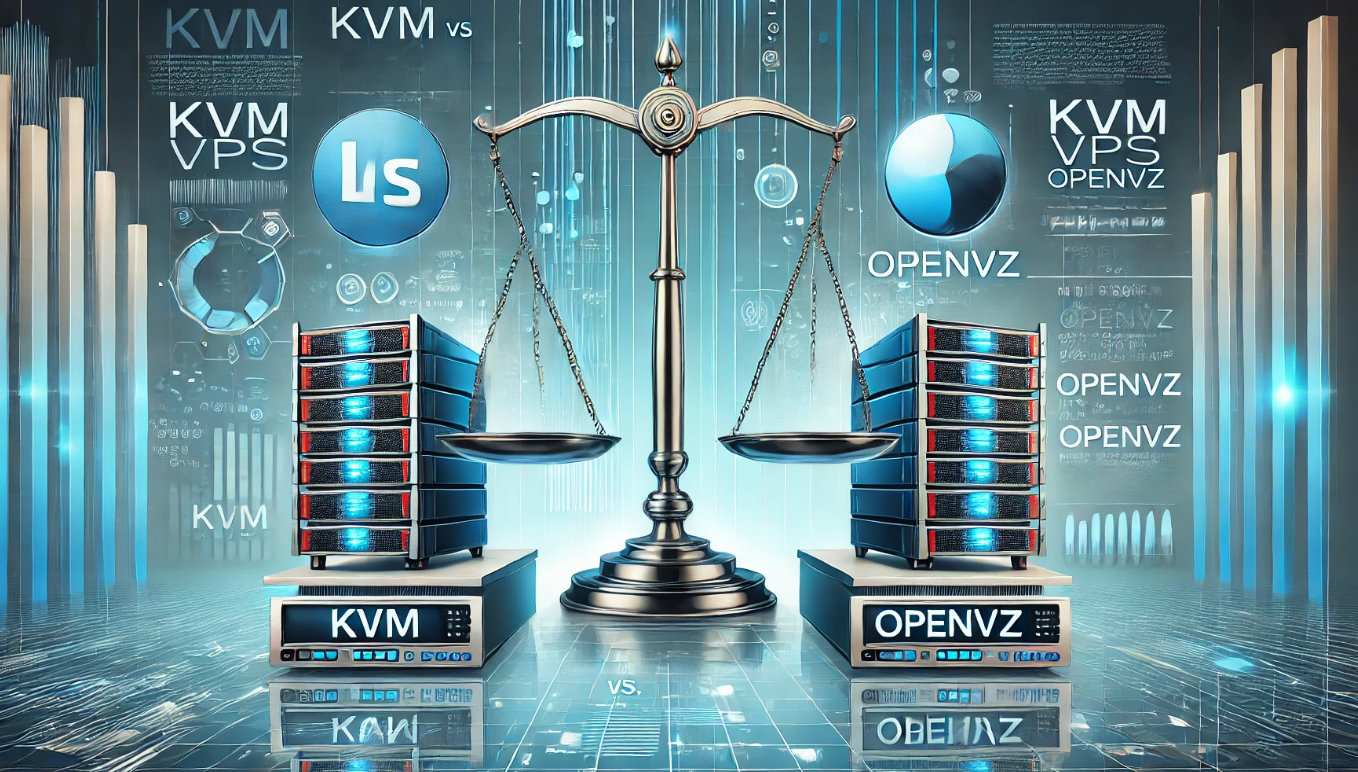
KVM vs OpenVZ: How to Choose the Right Virtualization for Your VPS Business

KVM vs OpenVZ: How to Choose the Right Virtualization for Your VPS Business

Key Takeaways

  • KVM works better for custom workloads and stronger VPS isolation.
  • OpenVZ helps providers run lightweight Linux environments more efficiently.
  • Your virtualisation setup affects scalability, provisioning, and support operations.
  • Customer workload patterns should guide infrastructure decisions.
  • A reliable virtualisation management platform helps providers manage VPS operations with less manual work.
What is the meaning of KVM and OpenVZ?

KVM runs every VPS as its own virtual machine, with a separate kernel and operating system. OpenVZ works differently. It creates isolated containers that share the host server’s Linux kernel while operating independently.

Most VPS providers initially overlook virtualisation, launching plans and maintaining stability. Pressure builds later with unpredictable workloads and demands for flexibility. That is where KVM and OpenVZ start feeling very different in practice. One prioritises flexibility and isolation. The other focuses on efficiency and server density.

This guide explains where each option fits, what trade-offs matter operationally, and how to choose the setup that supports your VPS business in the long term.

Understanding the Core Difference Between KVM and OpenVZ

KVM creates full virtual machines like standalone servers; OpenVZ uses isolated containers that share a single Linux kernel.

Feature KVM OpenVZ
Virtualization Model Full virtualization Container virtualization
Operating System Support Linux and Windows Linux only
Kernel Access Separate kernel for each VPS Shared host kernel
Isolation Strong Moderate
Resource Usage Higher Lower
VPS Density Lower Higher
Provisioning Speed Moderate Faster
Ideal Use Case Custom workloads and mixed environments Lightweight Linux hosting

That difference affects more than infrastructure architecture. It changes how providers allocate resources, troubleshoot performance issues, and scale VPS environments over time.

Performance and Resource Allocation: Where the Difference Shows Up

The gap between KVM and OpenVZ becomes more obvious as customer workloads grow. Small deployments may run smoothly on either setup, but scaling quickly exposes the strengths and limitations of both approaches.

Why KVM Fits Flexible VPS Environments Better?

KVM gives customers more freedom inside their VPS environment. They can install different operating systems, adjust kernels, or run applications that need deeper system-level access.

That flexibility matters for providers supporting:

  • Windows VPS hosting
  • Enterprise applications
  • Development environments
  • Custom software stacks
  • Resource-heavy workloads

KVM also handles workload isolation more cleanly. If one VPS experiences a sudden usage spike, neighbouring environments usually remain stable rather than competing aggressively for shared resources.

Many providers move toward KVM once they start serving customers with mixed infrastructure requirements, as it removes many operational limitations later.

Why OpenVZ Still Makes Sense for Some Providers?

Not every VPS business needs that level of flexibility. Some providers care more about infrastructure efficiency and faster deployment than deep operating system customisation.

OpenVZ works well in those environments because containers consume fewer resources. Providers can usually run more VPS instances on the same hardware without incurring excessive overhead.

That setup often works well for:

  • Standard Linux VPS plans
  • Lightweight hosting environments
  • Budget-focused VPS services
  • Predictable Linux workloads

The tradeoff becomes noticeable when customers request Windows support or lower-level control over their VPS environment.

How to Choose the Right Virtualisation Model for Your VPS Business?

The better virtualisation choice usually becomes obvious once you stop focusing solely on hardware efficiency.

Step 1: Look at the Type of Customers You Want to Support

A provider serving developers and SaaS businesses will need different infrastructure compared to one offering affordable Linux VPS hosting at scale. The workload usually reveals which direction makes more sense.

Step 2: Think About Infrastructure Growth Early

Infrastructure decisions grow hard to reverse at scale. Many providers begin with containers for low overhead, but changing customer needs force costly migrations. Choose VPS management software that supports future growth without frequent redesigns.

Step 3: Reduce Manual Work Before It Slows Operations Down

As VPS deployments grow, manual provisioning leads to repetitive work, delays, and inconsistencies. A centralised VPS control panel automates deployments, improves visibility into infrastructure health, and streamlines server management at scale.

Virtualization Alone Will Not Scale a VPS Business

Choosing between KVM and OpenVZ matters, but virtualisation alone will not keep VPS operations efficient as deployments grow. Providers also need a way to provision servers more quickly, monitor workloads effectively, and avoid wasting time on repetitive infrastructure tasks.

That is where platforms like SolusVM become valuable. Instead of manually managing virtualisation across different environments, hosting teams can automate provisioning, manage infrastructure from a centralised interface, and keep operations easier to scale as customer demand increases.

FAQs

Should VPS providers choose KVM or OpenVZ?

That depends on the type of workloads the business plans to support. KVM works better for flexible environments and mixed operating system support, while OpenVZ is better suited for lightweight Linux hosting.

Why do some providers prefer KVM?

KVM gives customers more control inside their VPS environment. Providers also get stronger workload isolation and broader compatibility across operating systems and applications.…

Read Full News
Data Driven Decision Making Global Insights

Data Driven Decision Making Global Insights

Are you tired of relying on gut feelings and guesswork when making critical business decisions? In today’s fast-paced and competitive landscape, organizations that embrace Data-Driven Decision Making are the ones that thrive. By leveraging the power of data, businesses can gain valuable insights, identify opportunities, and make informed choices that lead to tangible results.

Key Takeaways:

  • Data-Driven Decision Making empowers businesses to move beyond intuition and make choices based on verifiable evidence.
  • Implementing a data-driven culture requires the right tools, processes, and skills within an organization.
  • Analyzing key performance indicators (KPIs) and utilizing data visualization techniques are crucial for extracting actionable insights.
  • Real-world examples showcase how businesses across various industries are successfully using data to achieve their goals.

Understanding the Fundamentals of Data-Driven Decision Making

At its core, Data-Driven Decision Making involves using data to inform every stage of the decision-making process. This means collecting relevant data, analyzing it to identify patterns and trends, and then using those insights to guide strategic choices. It moves away from relying solely on experience or intuition and instead grounds decisions in factual evidence.

This approach offers numerous advantages. It helps us minimize risks by providing a more accurate understanding of the potential consequences of different actions. It allows us to identify new opportunities that might otherwise be missed. It also enables us to optimize processes, improve efficiency, and ultimately, drive better business outcomes. The shift is not merely about collecting information; it’s about cultivating a culture where data insights are woven into the fabric of every decision we make.

Implementing Data-Driven Decision Making in Your Organization

Successfully implementing Data-Driven Decision Making requires more than just investing in fancy analytics tools. It requires a fundamental shift in organizational culture and mindset. First, we need to ensure that we have the right infrastructure in place to collect, store, and analyze data effectively. This includes investing in robust data management systems, data warehouses, and business intelligence platforms.

Second, we need to build a team with the necessary skills and expertise to work with data. This includes data analysts, data scientists, and business intelligence specialists who can extract meaningful insights from the data. Third, we need to foster a culture of data literacy throughout the organization. Everyone, from the CEO to the front-line employees, needs to understand the importance of data and how it can be used to improve their decision-making. Finally, consider how your organization can leverage tools that help you present data in an understandable way. The easier data is to grasp, the easier it is for people to use it to inform their choices.

Analyzing KPIs and Utilizing Data Visualization

Key Performance Indicators (KPIs) are essential metrics that help us track progress towards specific goals. By monitoring KPIs, we can quickly identify areas where we are succeeding and areas where we need to improve. However, simply tracking KPIs is not enough. We need to analyze the data to understand the underlying drivers of performance.

Data visualization techniques, such as charts, graphs, and dashboards, can be powerful tools for communicating insights and making data more accessible to a wider audience. By visually representing data, we can quickly identify trends, patterns, and outliers that might be missed when looking at raw numbers. This allows us to make more informed decisions and take corrective action when necessary. For instance, if a sales team is not meeting targets, a well-designed dashboard can help pinpoint the reasons why. Is it a lack of leads? Low conversion rates? By understanding the root cause, we can implement targeted solutions.

Real-World Examples of Data-Driven Decision Making in Action

Businesses across various industries are already reaping the benefits of Data-Driven Decision Making.

  • Retail: Retailers use data to analyze customer purchase patterns, personalize marketing campaigns, and optimize inventory management. For example, a clothing retailer might analyze data to identify which products are most popular in different regions and tailor its inventory accordingly.
  • Healthcare: Healthcare providers use data to improve patient outcomes, reduce costs, and optimize resource allocation. For instance, hospitals can use data to predict patient readmission rates and implement preventative measures to reduce those rates.
  • Manufacturing: Manufacturers use data to optimize production processes, improve quality control, and reduce downtime. For example, a manufacturer might use data to identify bottlenecks in the production line and implement changes to improve efficiency.
  • Finance: Financial institutions use data to detect fraud, assess risk, and personalize customer service. Credit card companies analyze transaction data to identify suspicious activity and prevent fraudulent charges.
Read Full News
Intelligent Automation Market Growth Trends

Intelligent Automation Market Growth Trends

The Intelligent Automation market is experiencing significant expansion, driven by organizations seeking to optimize operations, reduce costs, and improve efficiency. The convergence of technologies like Robotic Process Automation (RPA), Artificial Intelligence (AI), Machine Learning (ML), and Business Process Management (BPM) is creating powerful solutions that automate complex tasks and workflows. This article will explore the key growth trends shaping the Intelligent Automation landscape, addressing user questions and providing insights into its future trajectory.

Key Takeaways:

  • The Intelligent Automation market is growing rapidly due to the need for efficiency and cost reduction.
  • AI and Machine Learning are key components driving advanced automation capabilities.
  • Businesses across various industries are adopting Intelligent Automation to streamline processes.
  • The future of Intelligent Automation involves hyperautomation and a focus on citizen development.

Understanding the Growth Drivers of Intelligent Automation

Several factors are fueling the growth of the Intelligent Automation market. Perhaps most significantly, businesses are under constant pressure to do more with less. Intelligent Automation offers a way to streamline processes, reduce manual effort, and improve accuracy, leading to significant cost savings. As labor costs continue to rise, and the demand for skilled workers outpaces supply, companies are increasingly turning to Intelligent Automation to fill the gap.

Another driver is the increasing availability and affordability of AI and ML technologies. These technologies are becoming more accessible, allowing businesses to integrate them into their automation initiatives. This integration enables Intelligent Automation solutions to handle more complex and cognitive tasks, going beyond simple rule-based automation. These technologies are designed to help us analyze data, make predictions, and learn from experience, making them valuable assets for businesses.

Furthermore, the digital transformation wave sweeping across industries is also contributing to the market’s growth. As companies digitize their operations, they generate vast amounts of data. Intelligent Automation can help process and analyze this data, providing valuable insights and enabling data-driven decision-making.

Adoption Rates Across Industries Fueling Intelligent Automation

Intelligent Automation is being adopted across a wide range of industries, each with its own unique use cases and benefits. The financial services sector is leveraging Intelligent Automation for tasks such as fraud detection, customer onboarding, and loan processing. In healthcare, it is being used for appointment scheduling, claims processing, and patient data management.

The manufacturing industry is also embracing Intelligent Automation for tasks such as quality control, supply chain optimization, and predictive maintenance. Retail and e-commerce companies are using it to personalize customer experiences, automate order processing, and manage inventory. Even government agencies are exploring Intelligent Automation to improve efficiency, reduce costs, and deliver better services to citizens.

The widespread adoption across diverse industries is a testament to the versatility and effectiveness of Intelligent Automation solutions. As more companies witness the benefits realized by their peers, the adoption rate is expected to accelerate further.

Technological Advancements Shaping Intelligent Automation

The Intelligent Automation landscape is constantly evolving, driven by technological advancements. AI and ML are becoming increasingly sophisticated, enabling Intelligent Automation solutions to handle more complex and unstructured data. Natural Language Processing (NLP) is improving the ability of automation systems to understand and respond to human language, making them more user-friendly.

Robotic Process Automation (RPA) is also evolving, with vendors offering more advanced capabilities such as unattended automation, cognitive automation, and integration with other enterprise systems. Cloud-based automation platforms are becoming increasingly popular, offering scalability, flexibility, and lower upfront costs.

These technological advancements are making Intelligent Automation solutions more powerful, accessible, and easier to deploy, further driving market growth. As technologies get better, the benefits become more accessible to us, which means more companies will adopt them.

The Future Outlook for Intelligent Automation

The future of Intelligent Automation is bright, with continued growth and innovation expected in the coming years. Hyperautomation, the application of advanced technologies, including AI, ML, RPA, and others, to automate a wider range of business and IT processes, is a key trend to watch. This involves automating end-to-end processes and integrating various automation technologies to create a more seamless and efficient workflow.

Another trend is the rise of citizen development, which empowers business users to create their own automation solutions without requiring extensive coding skills. This democratizes automation and allows businesses to address their specific needs more quickly and effectively. Furthermore, as businesses continue to embrace digital transformation, the demand for Intelligent Automation solutions will only continue to grow. It offers us the potential to achieve significant gains in efficiency, productivity, and customer satisfaction, making it a crucial investment for businesses of all sizes.

Read Full News
Workflow Automation and Global Applications

Workflow Automation and Global Applications

Is your organization struggling with repetitive tasks, inconsistent processes, and a lack of visibility across your global operations? You’re not alone. Many businesses face these challenges as they grow and expand internationally. However, there’s a powerful solution that can address these issues and drive significant improvements: Workflow Automation.

Key Takeaways:

  • Workflow Automation streamlines repetitive tasks, freeing up employees for more strategic work.
  • Implementing Workflow Automation globally requires careful planning and consideration of cultural and regulatory differences.
  • Choosing the right Workflow Automation tools and platforms is crucial for successful implementation.
  • Workflow Automation reduces errors, improves compliance, and provides greater visibility into business processes.

Understanding the Power of Workflow Automation

Workflow Automation involves using technology to automate repeatable business tasks and processes. Instead of employees manually performing these tasks, software handles them automatically according to pre-defined rules and triggers. This can include tasks like data entry, invoice processing, customer onboarding, and even complex multi-step approval processes. The benefits of Workflow Automation are numerous. First, it significantly reduces the time and resources spent on manual tasks. This allows employees to focus on higher-value activities that require creativity, critical thinking, and strategic decision-making. This shift improves overall productivity and job satisfaction. Furthermore, Workflow Automation minimizes the risk of human error. Automated systems follow consistent rules and procedures, ensuring accuracy and compliance. This is especially important in industries with strict regulatory requirements. For us, these advantages translate into faster turnaround times, reduced costs, and improved customer satisfaction.

Implementing Workflow Automation on a Global Scale

Rolling out Workflow Automation across a global organization presents unique challenges. Different countries and regions may have varying cultural norms, legal requirements, and technological infrastructures. Therefore, a one-size-fits-all approach is unlikely to succeed. One of the first steps is to conduct a thorough assessment of your existing processes and identify areas where automation can provide the most impact. Consider the specific needs and challenges of each region. For example, data privacy regulations like GDPR in Europe may require specific data handling procedures in automated workflows. Similarly, language barriers may necessitate the use of multilingual interfaces and documentation. It’s also important to involve stakeholders from different regions in the planning and implementation process. This helps ensure that the automated workflows are tailored to their specific needs and that they are comfortable using the new systems. Remember, successful global Workflow Automation requires a phased approach, starting with pilot projects in select regions and gradually expanding to other areas. This allows you to learn from your experiences and fine-tune your approach along the way.

Selecting the Right Tools for Workflow Automation

Choosing the right Workflow Automation tools is critical for success. There are many different platforms available, each with its own strengths and weaknesses. Some platforms are designed for specific industries or types of processes, while others are more general-purpose. One of the key factors to consider is the ease of use of the platform. The platform should be intuitive and user-friendly, allowing employees to easily create and manage automated workflows without requiring extensive technical skills. Another important factor is the platform’s integration capabilities. The platform should be able to seamlessly integrate with your existing systems, such as your CRM, ERP, and other business applications. This allows you to automate processes that span multiple systems and departments. Scalability is also a crucial consideration, particularly if you plan to expand your Workflow Automation efforts over time. The platform should be able to handle increasing volumes of data and transactions without impacting performance. Don’t hesitate to leverage free trials and demos to test out different platforms and see which one best meets your needs. Consulting with industry experts and reading reviews can also provide valuable insights.

Real-World Applications of Workflow Automation

The applications of Workflow Automation are vast and varied. From automating simple tasks like email notifications to complex processes like supply chain management, Workflow Automation can be applied to almost any area of your business. In finance, Workflow Automation can be used to automate invoice processing, expense reporting, and reconciliation. This can significantly reduce the time and effort required to manage these tasks, while also improving accuracy and compliance. In human resources, Workflow Automation can be used to automate onboarding, employee training, and performance reviews. This can help streamline these processes and ensure that they are consistent and fair. In sales and marketing, Workflow Automation can be used to automate lead nurturing, email marketing campaigns, and customer service interactions. This can help improve customer engagement and drive sales. These are just a few examples of how Workflow Automation can be used to improve efficiency, reduce costs, and improve customer satisfaction. As technology continues to advance, the possibilities for Workflow Automation will only continue to grow. For us, this means embracing these opportunities and constantly seeking new ways to leverage Workflow Automation to

Read Full News
Enterprise 21 ERP Streamlining Your Business

Enterprise 21 ERP Streamlining Your Business

Understanding the Challenges of Modern Business Management

Running a successful business in today’s dynamic environment is no easy feat. Companies face constant pressure to improve efficiency, reduce costs, and enhance customer satisfaction. Juggling multiple departments, managing inventory, tracking finances, and ensuring seamless communication can quickly become overwhelming without the right tools and strategies. Traditional, siloed systems often lead to data inconsistencies, delays, and missed opportunities. The need for integrated and streamlined processes is more critical than ever before.

Enterprise 21 ERP: A Comprehensive Solution

Enterprise 21 ERP offers a powerful and flexible solution to these challenges. It’s a comprehensive enterprise resource planning system designed to integrate all aspects of your business, from finance and accounting to supply chain management and customer relationship management (CRM). By centralizing data and automating processes, Enterprise 21 ERP helps businesses gain a clear, real-time view of their operations, empowering them to make informed decisions and optimize performance.

Streamlining Finance and Accounting Processes

Efficient financial management is the backbone of any successful business. enterprise 21 erp streamlines financial processes by automating tasks like accounts payable and receivable, general ledger management, and financial reporting. This automation reduces manual errors, speeds up processing times, and provides accurate, up-to-the-minute financial insights. Improved financial visibility allows for better budgeting, forecasting, and strategic decision-making.

Optimizing Supply Chain Management

Managing the supply chain can be complex, involving numerous suppliers, distributors, and logistics providers. Enterprise 21 ERP helps businesses optimize their supply chain by providing real-time visibility into inventory levels, order status, and shipping information. This allows for better inventory control, reduced lead times, and improved customer service. By streamlining procurement processes and optimizing logistics, businesses can reduce costs and improve overall efficiency.

Enhancing Customer Relationship Management (CRM)

Happy customers are essential for business growth. Enterprise 21 ERP integrates CRM functionality, enabling businesses to manage customer interactions, track sales opportunities, and personalize marketing campaigns. This improved customer engagement leads to increased loyalty and repeat business. By centralizing customer data, businesses can gain a better understanding of their customer base and tailor their offerings to meet their specific needs.

Improving Operational Efficiency Through Automation

Enterprise 21 ERP automates many repetitive tasks, freeing up employees to focus on more strategic initiatives. This automation not only improves efficiency but also reduces the risk of human error. From automated order processing to automated invoice generation, the system streamlines workflows and improves overall productivity. This increased efficiency translates into cost savings and improved profitability.

Gaining Real-Time Business Intelligence

Making informed decisions requires access to accurate and timely data. Enterprise 21 ERP provides real-time dashboards and reporting tools that give businesses a clear picture of their operations. This data-driven approach allows for proactive problem-solving and strategic planning, enabling businesses to stay ahead of the curve and respond quickly to changing market conditions. The insights gained from the system empower businesses to make smarter, more effective decisions.

Scalability and Flexibility for Future Growth

As businesses grow and evolve, their ERP system needs to adapt. Enterprise 21 ERP is designed to be scalable and flexible, accommodating the changing needs of businesses of all sizes. Whether expanding into new markets or adding new product lines, the system can easily accommodate growth, ensuring that the business always has the tools it needs to succeed. This adaptability reduces the need for costly system upgrades or replacements down the line.

Seamless Integration and Data Security

Enterprise 21 ERP integrates seamlessly with other business systems, eliminating data silos and ensuring data consistency across the organization. This integrated approach provides a unified view of the business, facilitating better collaboration and decision-making. Furthermore, robust security measures protect sensitive business data, ensuring its confidentiality and integrity.

Empowering Employees and Enhancing Collaboration

Enterprise 21 ERP provides employees with the tools and information they need to do their jobs effectively. By streamlining processes and improving communication, the system fosters a more collaborative work environment. This enhanced collaboration leads to improved efficiency, increased productivity, and a more engaged workforce.

Read Full News
Camstar Streamlining Your Manufacturing Process

Camstar Streamlining Your Manufacturing Process

Understanding the Challenges of Modern Manufacturing

Manufacturing today faces a whirlwind of challenges. Staying competitive demands efficiency, agility, and a deep understanding of your entire production process. From raw materials to finished goods, every step needs optimization. Legacy systems often create bottlenecks, hindering real-time data visibility and making it difficult to react swiftly to market demands or unexpected disruptions. This lack of integration and transparency leads to increased costs, longer lead times, and ultimately, a less competitive product offering.

Camstar: A Manufacturing Execution System (MES) Solution

Camstar offers a comprehensive Manufacturing Execution System (MES) designed to streamline and optimize your entire manufacturing process. Unlike many point solutions that only address specific aspects of production, Camstar provides a unified platform that integrates all key areas, creating a single source of truth for your operations. This integrated approach eliminates data silos, improving communication and collaboration across departments, from engineering to quality control and shop floor management.

Real-time Visibility and Control with Camstar

One of the key strengths of Camstar is its ability to provide real-time visibility into every stage of your manufacturing process. With detailed dashboards and reporting capabilities, you can monitor key performance indicators (KPIs) and identify potential bottlenecks or areas for improvement instantly. This real-time data allows for proactive adjustments, minimizing downtime and preventing costly errors. You’re not just reacting to problems; you’re anticipating them and addressing them before they impact production.

Streamlining Operations with Automated Workflows

Camstar empowers you to automate many manual processes that typically consume significant time and resources. Automated workflows eliminate repetitive tasks, reduce human error, and ensure consistency across all operations. From scheduling and dispatching to quality control checks and reporting, Camstar streamlines these processes, freeing up your team to focus on higher-value activities such as continuous improvement and innovation.

Improving Quality Control and Reducing Defects

Maintaining high quality standards is paramount in today’s competitive landscape. Camstar’s quality management tools help you proactively identify and address potential quality issues. With real-time data on production processes and automated inspections, you can pinpoint the root causes of defects and implement corrective actions swiftly. This proactive approach minimizes waste, reduces rework, and ultimately improves product quality and customer satisfaction.

Enhanced Collaboration and Communication

Effective communication and collaboration are essential for efficient manufacturing. Camstar facilitates this by providing a central platform for all stakeholders to access real-time information and communicate effectively. This eliminates information silos and ensures everyone is on the same page, regardless of their role or location. Improved communication leads to better decision-making, faster response times, and a more streamlined overall operation.

Data-Driven Decision Making with Advanced Analytics

Camstar’s advanced analytics capabilities provide valuable insights into your manufacturing process. By analyzing historical data and real-time performance metrics, you can identify trends, predict potential problems, and make data-driven decisions to optimize your operations. This proactive approach enables continuous improvement, maximizing efficiency and profitability.

Scalability and Flexibility for Growing Businesses

Camstar is designed to scale with your business. Whether you’re a small manufacturer or a large multinational corporation, Camstar’s flexible platform can adapt to your specific needs and grow with your business. This ensures a long-term solution that can support your evolving requirements as you expand and adapt to market changes.

Integration with Existing Systems

Camstar integrates seamlessly with your existing enterprise resource planning (ERP) systems and other manufacturing software, minimizing disruption during implementation and maximizing the value of your existing investments. This avoids the need for costly and time-consuming data migration projects, allowing you to benefit from the advantages of Camstar quickly and efficiently.

Return on Investment (ROI) with Camstar

Investing in a comprehensive MES solution like Camstar delivers significant returns on investment. By streamlining operations, improving quality control, reducing waste, and enhancing overall efficiency, Camstar helps you lower costs, shorten lead times, and increase profitability. The improved visibility and data-driven decision-making capabilities allow for continuous optimization, leading to long-term sustainable growth and a competitive edge in the market. Read more about the Camstar enterprise platform.

Read Full News
Best Business Intelligence Tools for 2024

Best Business Intelligence Tools for 2024

Choosing the Right BI Tool: Factors to Consider

Before diving into specific tools, it’s crucial to understand your business needs. What kind of data do you need to analyze? What are your reporting requirements? How technically savvy is your team? Consider the size of your data sets, your budget, and whether you need cloud-based, on-premise, or hybrid solutions. A clear understanding of these factors will guide you toward the best fit for your organization. Don’t forget to think about scalability – will your chosen tool be able to handle your future growth?

Tableau: A Leader in Visual Data Discovery

Tableau remains a dominant force in the BI world, renowned for its intuitive drag-and-drop interface and powerful visualization capabilities. Even users with limited technical skills can create insightful dashboards and reports. Its strong community support and extensive online resources make it easy to learn and troubleshoot. While it offers a robust free public version, its enterprise-level features come at a cost, but many find the investment worthwhile for its user-friendliness and wide array of features, including advanced analytics and data integration capabilities.

Power BI: Microsoft’s Comprehensive BI Solution

Power BI, deeply integrated into the Microsoft ecosystem, is a compelling option for organizations already using other Microsoft products. Its seamless integration with Excel, SQL Server, and other Microsoft services simplifies data connectivity. Power BI boasts a comprehensive feature set, including interactive dashboards, data modeling, and advanced analytics. Its affordability and accessibility make it a strong contender for businesses of all sizes, particularly those heavily invested in the Microsoft platform. However, the sheer number of features can be overwhelming for beginners.

Qlik Sense: For Powerful Data Exploration and Visualization

Qlik Sense excels at associative data analysis, allowing users to explore data connections intuitively. Its “associative engine” highlights relationships between different data points, uncovering insights that might be missed with other tools. This is particularly beneficial for uncovering unexpected correlations and driving deeper understanding of complex datasets. Although its interface can have a steeper learning curve than Tableau, its powerful analytical capabilities make it a strong choice for organizations needing in-depth data analysis.

Spotfire: TIBCO’s Solution for Advanced Analytics

TIBCO Spotfire caters to a more advanced user base, offering sophisticated analytical capabilities ideal for complex data analysis and predictive modeling. It’s particularly well-suited for organizations dealing with large, diverse datasets requiring statistical analysis and visualization. While the learning curve is steeper, the payoff is the ability to extract deep insights and support more informed decision-making. Its strong capabilities in statistical modeling make it a top choice for organizations involved in scientific research, healthcare, or financial modeling.

Sisense: Scalable BI for Growing Enterprises

Sisense is a scalable cloud-based BI platform designed to handle large volumes of data and support a growing number of users. Its embedded analytics capabilities allow organizations to integrate data insights directly into their applications, providing real-time business intelligence. This makes it an ideal choice for organizations that require robust scalability and real-time data analysis for critical decision-making across the business. While it may be slightly more expensive than other options, its scalability and powerful features make it a worthwhile investment for larger companies.

Google Data Studio: A Free and Flexible Option

For organizations on a tight budget, Google Data Studio offers a powerful free alternative. While lacking some of the advanced features of other platforms, it offers a robust set of tools for creating interactive dashboards and reports from various data sources, including Google Analytics, Sheets, and BigQuery. Its integration with other Google services makes it particularly attractive for companies already heavily invested in the Google ecosystem. It’s a great starting point for smaller businesses looking to build their BI capabilities without significant upfront investment.

Choosing Your Best Fit: It’s a Process

Selecting the right BI tool isn’t a one-size-fits-all decision. It requires careful consideration of your specific needs, budget, and technical expertise. Many vendors offer free trials, so taking advantage of these to test different platforms before committing is highly recommended. Consider your team’s technical skills, your data volume and complexity, and your future growth plans when making your decision. The best BI tool for you will empower your organization to make more informed decisions based on data-driven insights. Read more about leading BI tools.

Read Full News