


Expert insights on designing adaptable office spaces for hybrid work success. Practical strategies for modern layouts and thriving workforces in the US.
The shift to hybrid work models has profoundly impacted how organizations approach their physical office environments. From years of direct engagement with businesses adapting to these changes, it’s clear that successful implementation goes far beyond simply moving desks. It demands a deliberate strategy to create dynamic, supportive spaces that genuinely serve a distributed workforce. Our work involves helping companies, both large and small, reimagine their physical footprint to support collaboration, individual focus, and a strong company culture, regardless of where employees choose to work on a given day.
Overview
- Flexible Office Spaces & Hybrid Work Layouts are critical for modern businesses to support diverse work styles.
- Successful designs prioritize activity-based zones, offering variety for different tasks.
- Technology integration is paramount, ensuring seamless connectivity and communication for all team members.
- Cultural shifts, alongside physical changes, are essential for effective hybrid work adoption.
- Data and feedback loops are vital for continuously optimizing office layouts and usage patterns.
- The US market shows a strong trend towards adaptable spaces that foster community and purposeful gatherings.
Understanding the Core Principles of Flexible Office Spaces & Hybrid Work Layouts
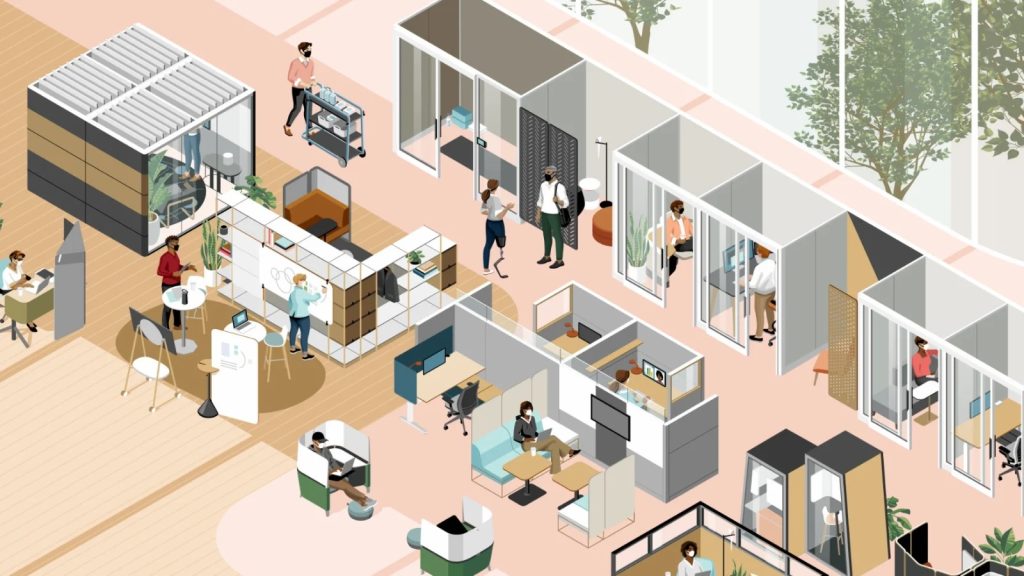
In our practice, designing Flexible Office Spaces & Hybrid Work Layouts starts with understanding user needs. It’s not about forcing people back to the office, but creating an environment they genuinely want to utilize. This means moving away from traditional assigned seating to activity-based working. We segment spaces into zones for focused work, collaborative brainstorming, quiet reflection, and social interaction. For example, a client in New York City recently opted for more “focus pods” and fewer open-plan desks, reflecting their employees’ preference for quiet, private work when in the office.
This approach acknowledges that different tasks require different settings. A team meeting needs a well-equipped collaboration room, while a deep-work session benefits from a secluded area. We often advise incorporating movable furniture, modular walls, and easily reconfigurable setups. This ensures the space can adapt quickly to changing team sizes or project requirements. It’s about building agility directly into the physical infrastructure, allowing offices to evolve alongside the business.
Technology and Culture: Pillars of Successful Hybrid Work
Physical space is only one piece of the hybrid work puzzle. Technology forms the backbone, ensuring equitable experiences for both in-office and remote employees. In our projects, we prioritize robust AV systems in meeting rooms, high-speed internet, and reliable video conferencing tools. These technologies bridge the gap, making remote participants feel fully included in discussions. Without seamless tech, even the most beautifully designed office will fall short in supporting hybrid teams. We’ve seen this challenge repeatedly, particularly in the US, where distributed teams often span multiple time zones.
Equally important is cultivating a culture that embraces flexibility and trust. This involves clear communication from leadership about expectations, promoting autonomy, and valuing outcomes over presenteeism. Training managers to lead hybrid teams effectively is crucial. It’s about creating an environment where employees feel empowered to choose where and how they work best, fostering productivity and well-being. A supportive culture amplifies the benefits of well-designed Flexible Office Spaces & Hybrid Work Layouts.
Practical Strategies for Implementing Flexible Office Spaces & Hybrid Work Layouts
Implementing Flexible Office Spaces & Hybrid Work Layouts requires a phased and iterative approach. We typically begin with a thorough occupancy study and employee surveys to gather data on current usage and preferences. This informs space allocation and design decisions. Instead of a complete overhaul, many clients start with pilot programs, testing new layouts or technologies in smaller sections of their office. This allows for real-world feedback and adjustments before a wider rollout. For instance, a tech company in Silicon Valley experimented with a “neighborhood” concept for different teams, allowing them to customize their local area.
Effective implementation also involves clear guidelines for using shared resources. Booking systems for desks and meeting rooms are essential to manage capacity and prevent frustration. Wayfinding solutions, whether digital or physical, help employees locate specific zones or colleagues easily. From our experience, consistent communication about changes and how to use the new spaces is paramount. This minimizes resistance and helps employees feel comfortable and productive in their evolving workplace.
Measuring Success in Flexible Office Spaces & Hybrid Work Layouts
Once Flexible Office Spaces & Hybrid Work Layouts are in place, measuring their effectiveness is critical for continuous improvement. We recommend tracking key metrics such as office utilization rates, employee satisfaction through regular surveys, and feedback on specific amenities or zones. Tools for monitoring desk and room bookings can provide valuable data on peak times and popular areas, informing future adjustments. Understanding how the space supports collaboration versus individual focus is also important. For example, if focus zones are consistently underutilized, it might signal a need for more privacy or better acoustic design.
The goal is to create a responsive workplace that evolves with the organization’s needs. This iterative process involves collecting data, analyzing trends, and making informed decisions to refine the office environment. Ultimately, successful flexible spaces contribute to improved employee engagement, productivity, and a stronger company culture, proving the value of a well-executed hybrid strategy. Our ongoing work with various organizations confirms that adaptability and data-driven decisions are key to long-term success in this new era of work.


